








Découvrez les avantages d’une colocation axée sur l’écosystème

Choosing a colocation provider is a long-term infrastructure decision, not a simple procurement task. Once your hardware is racked, cabled and interconnected, moving it again is disruptive and costly, which means the evaluation you do upfront matters more here than almost any other technology purchase. This guide walks through what colocation actually means, why more African businesses are choosing it, and the specific factors worth checking before you sign a contract.

What is Colocation

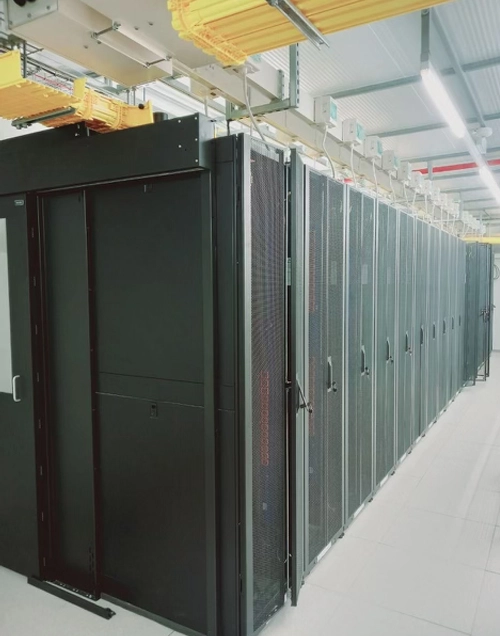
Colocation means placing your own physical servers and hardware in a secure, third-party facility. The provider supplies the power, cooling, connectivity, physical security and building infrastructure around your equipment, while you retain ownership and management of the hardware itself. It sits between two other options: running your own on-premises server room, and renting fully virtual infrastructure from a cloud provider.
Une colocation stratégiquement située
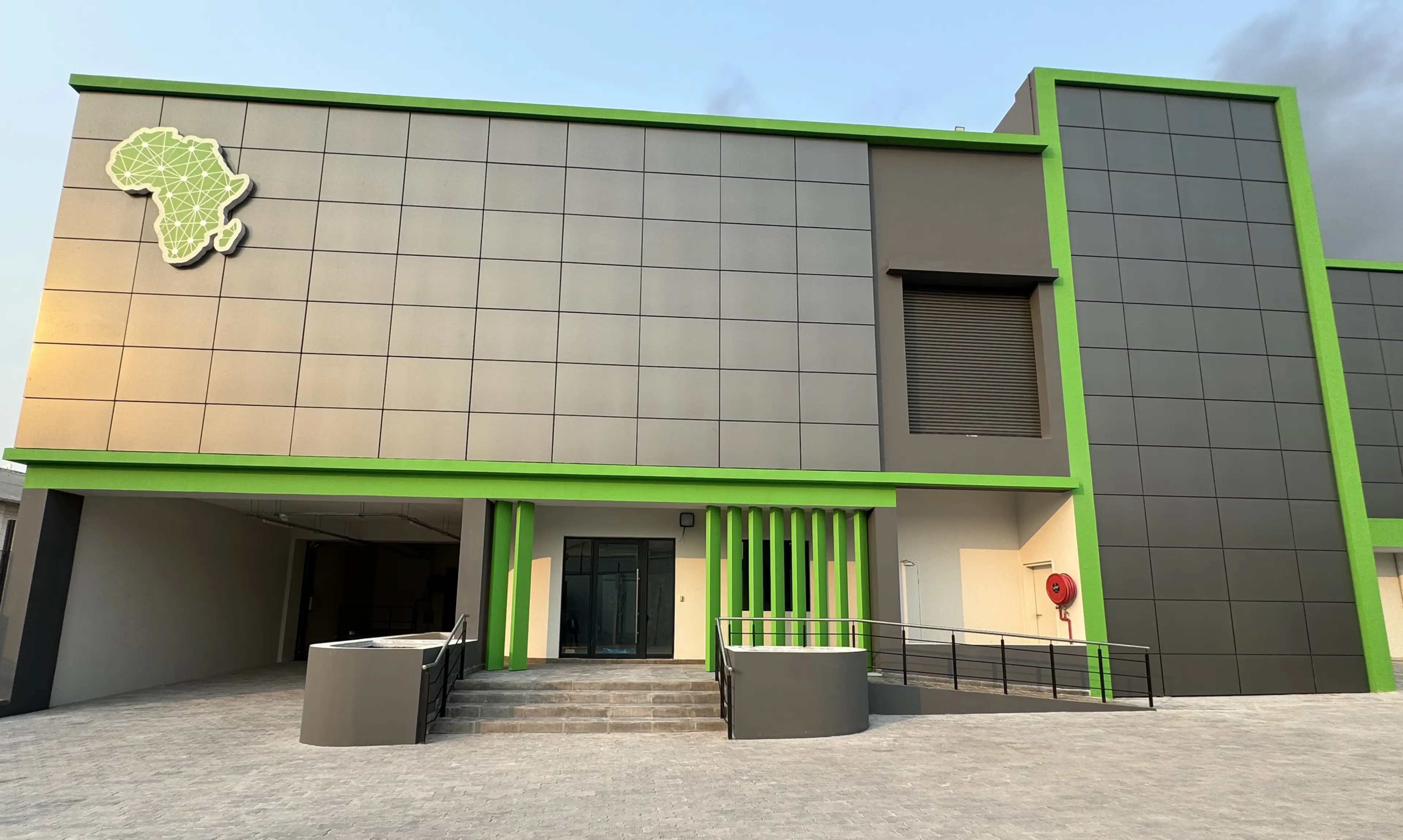
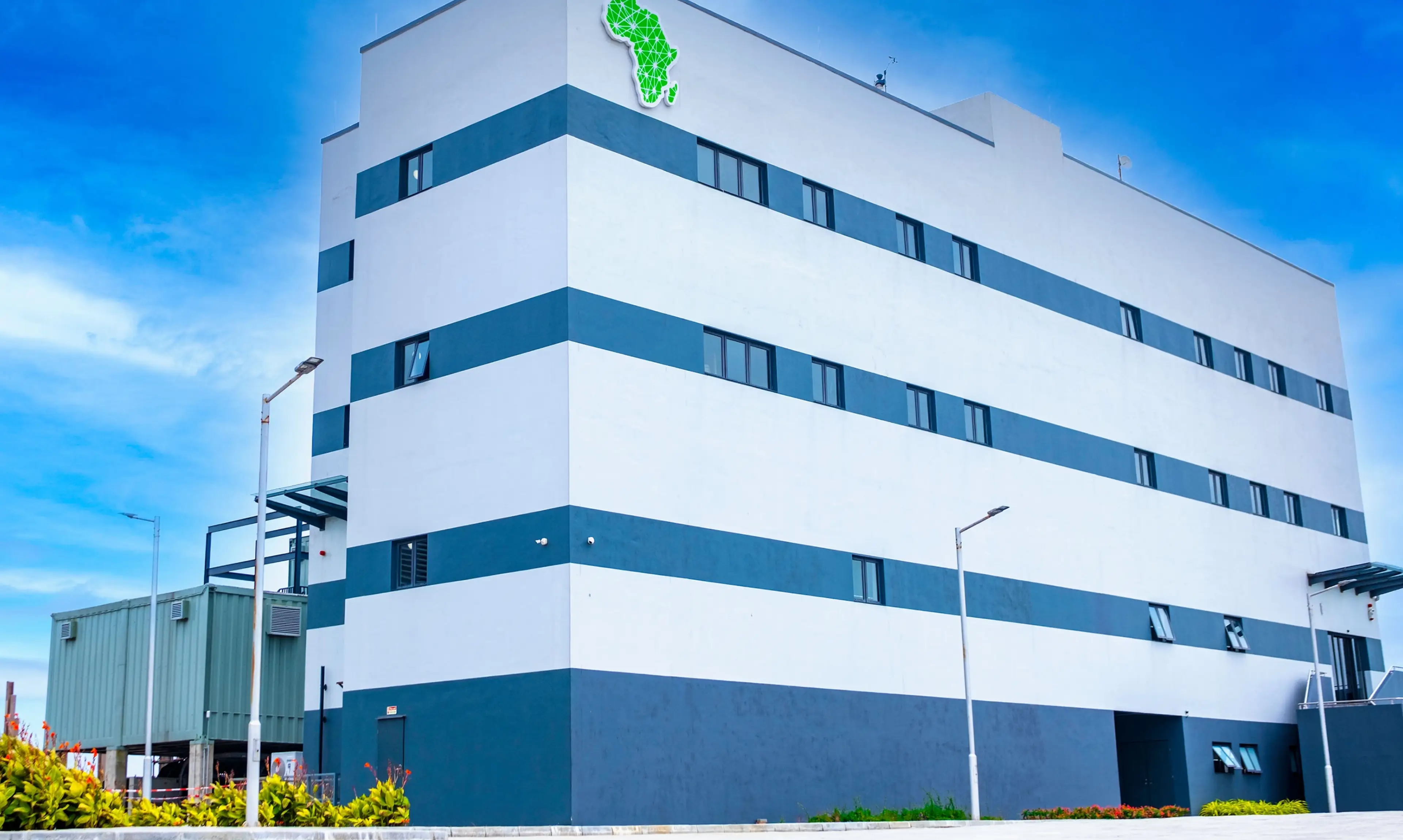
Connectez-vous à un écosystème diversifié de fournisseurs de réseaux mondiaux Tier-1 et régionaux grâce à une infrastructure indépendante des opérateurs et à la station d’attérage du câble sous-marin Equiano, avec des liaisons fibre optique résilientes et une connectivité métropolitaine vers les principaux centres de données à travers le Nigeria.
pexels-rdne-8292882 1
Integrity

Lorem ipsum dolr sit amet, coscet uradip iscing elit hend

Learn More
Vector - 2025-05-28T114450.348
Mask group - 2025-06-03T124355.029
Flexibility

Lorem ipsum dolr sit amet, coscet uradip iscing elit hend

Learn More
Vector - 2025-05-28T114450.348
pexels-fauxels-3183181 1
Client-First Mindset

Lorem ipsum dolr sit amet, coscet uradip iscing elit hend

Learn More
Vector - 2025-05-28T114450.348
pexels-pavel-danilyuk-8112091 1
Innovation

Lorem ipsum dolr sit amet, coscet uradip iscing elit hend

Learn More
Vector - 2025-05-28T114450.348
Mask group - 2025-06-09T183702.870
Reliability

Lorem ipsum dolr sit amet, coscet uradip iscing elit hend

Learn More
Vector - 2025-05-28T114450.348

What to Look for in a Colocation Provider

01

Carrier Neutrality and Open Access

Check whether the facility gives you equal access to multiple carriers, cloud platforms and internet exchanges, or whether you are tied to a single network relationship. A carrier-neutral or open-access facility gives you more flexibility to change providers later without relocating your hardware.

02

Certifications

Tier ratings (such as Tier III) and security certifications (such as ISO 27001) are independent, third-party verifications of a facility's resilience and security practices, rather than marketing claims. Ask specifically which certifications are current, not just historically achieved, since some certifications require renewal.

03

Power and Redundancy

Ask about the facility's power capacity, redundancy level (N versus N+1), and specifically how the facility is designed to handle grid disruptions in that market. This matters more in Africa than in most regions, given the power reliability challenges several markets face.

04

Cooling and Density Support

If you are running or planning any GPU-intensive or AI workloads, ask what cooling infrastructure the facility uses. Traditional air cooling struggles with the power density modern AI hardware requires, and not every facility has upgraded to liquid or hybrid cooling systems.

05

Connectivity and Subsea Cable Access

Ask whether the facility has direct access to relevant subsea cable systems, or whether traffic needs to be backhauled from elsewhere. Direct landing station access, or close proximity to one, generally means lower latency and fewer intermediary costs.

06

Geographic Footprint

If your business operates across multiple African markets, consider whether a single provider can support you consistently across those markets. A provider with a wide footprint reduces the number of separate vendor relationships you need to manage as you expand.

07

Security

Beyond certifications, ask about practical physical security measures: access control levels, monitoring, and how visitor and vendor access is managed on-site.

08

Scalability

Ask how easily you can add capacity later, whether that means additional racks, higher power allocation, or expansion into a different location within the same provider's network, without renegotiating from scratch.

Questions to Ask a Prospective Provider

What certifications does this specific facility currently hold, and when were they last renewed?

What is the facility's power redundancy level, and how has it performed during past grid disruptions in this market?

Which carriers, cloud platforms and internet exchanges are already present on-site?

Does the facility have direct or proximate access to relevant subsea cable systems?

What cooling infrastructure is in place, and is it suitable for high-density or AI workloads if that is a future need?

What is included in the base quote, and what is billed separately?

How does the contract handle scaling up capacity, and what are the terms for adding a second location?

What physical security and access control measures are in place?

Colocation Evaluation Checklist

Confirm carrier neutrality or open-access model

Verify current Tier and ISO certifications directly, not just claimed history

Confirm power redundancy level and load-shedding or grid-disruption resilience

Check subsea cable access or proximity, if international connectivity matters to your business

Confirm cooling infrastructure suits your current and near-future workload density

Get a full cost breakdown, not just a headline rack price

Confirm scalability terms in writing before signing

Ask for references from existing clients in a similar industry or workload profile

Where OADC Fits

OADC operates as an open-access, carrier-neutral network across Nigeria, South Africa and the Democratic Republic of Congo, with Tier-III designed and ISO 27001 certified facilities, direct landing station access for the Equiano and 2Africa subsea cables, and infrastructure engineered specifically for African grid conditions. Explore what to look for in your specific market:

Frequently Asked Questions